Every year on March 14, millions of people across East Asia celebrate White Day — a holiday where men reciprocate the gifts they received from women on Valentine's Day. But what many people don't realize is that this beloved tradition has a surprisingly commercial origin story rooted in 1970s Japan.
From a Magazine Letter to a National Holiday
The story begins in 1977, when an executive at Ishimura Manseido, a well-established confectionery shop in Fukuoka, came across a letter in a women's magazine. In it, a woman lamented the unfairness of Valentine's Day customs in Japan, where women were expected to give chocolates to men but received nothing in return. She wrote something along the lines of: "Why don't they give us something? A handkerchief, candy, even marshmallows…"
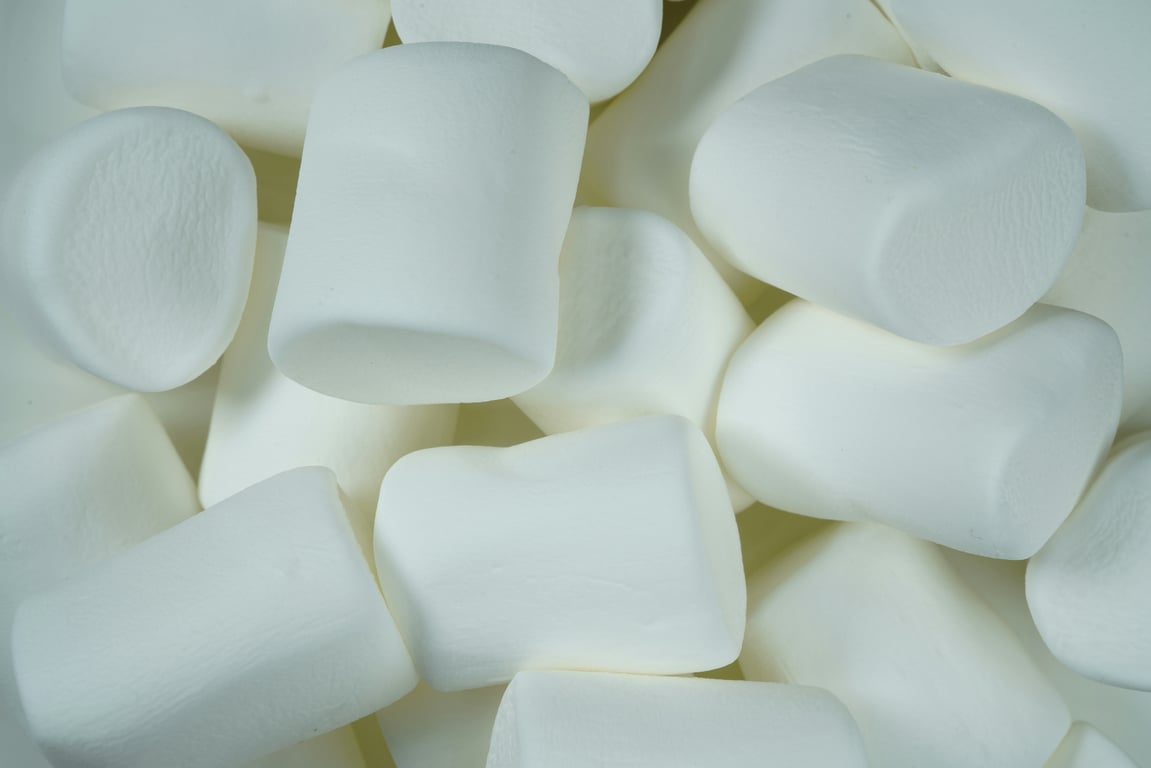
Inspired by the letter, the company developed a new sweet: marshmallow paste stuffed with a chocolate center. They declared March 14 — exactly one month after Valentine's Day — as "Marshmallow Day," encouraging men to return the favor with these white confections.
How Marshmallow Day Became White Day
Initially, the concept struggled to gain widespread traction. For about seven to eight years, Marshmallow Day remained a niche event. Then in 1978, the National Confectionery Industry Association of Japan organized a "White Day Committee" and after two years of preparation, officially launched White Day in 1980 with large-scale campaigns in department stores and through radio advertising.
The name "White Day" was chosen because white symbolizes purity and sweetness — fitting for a day meant to express gratitude and affection. As the holiday evolved, gifts expanded beyond marshmallows to include white chocolate, cookies, candy, jewelry, and even luxury accessories.
A Tradition That Spread Across Asia
From Japan, White Day quickly spread to South Korea, Taiwan, China, Hong Kong, Vietnam, Singapore, and Malaysia. Each country adopted the tradition with its own local flavor. In South Korea, for instance, candy became the signature White Day gift, while in Japan the unwritten rule of "sanbai gaeshi" (triple the return) suggests that men should give back gifts worth two to three times the value of what they received.
Interestingly, White Day remains virtually unknown in Western countries. In Europe and North America, Valentine's Day itself is celebrated as a mutual exchange between partners — there's no separate day for reciprocating.
The Hidden Meaning Behind Each Gift
In Japan, the type of White Day gift carries a specific message. Candy signifies romantic interest, cookies suggest friendship, and — ironically — marshmallows, the very confection that started it all, now imply rejection or disinterest. Macaroons indicate the recipient is a "special friend."
White Day in the Modern Era
While White Day remains a major commercial event — valued at hundreds of millions of dollars annually in Japan alone — recent years have seen a gradual shift. The decline of obligation chocolates on Valentine's Day, changing gender norms, and the rise of remote work have all contributed to evolving celebrations. Some couples now skip the gendered tradition entirely, opting instead for mutual gift exchanges on either day.
Celebrate White Day Across Borders with SodaGift
Whether your loved one is in Seoul, Tokyo, Taipei, or Kuala Lumpur, White Day is the perfect occasion to send a meaningful gift across borders. With SodaGift, you can browse thousands of gift cards and gifts available in multiple countries and deliver them instantly — no shipping delays, no customs hassle.
Plus, earn Hearts points with every purchase and use them to get gift cards at a discount or even for free. This White Day, let distance be no barrier to expressing your gratitude and love.