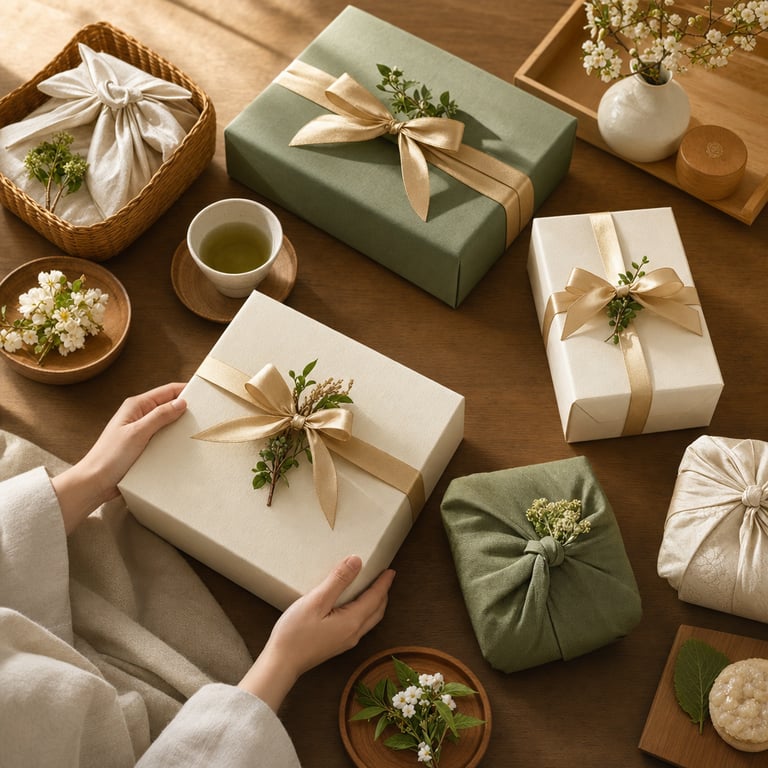
It's Ochugen's Last Sending Day in Japan — What to Do If You Haven't Sent Anything Yet
Published on July 16, 2026
If you manage relationships with a Japanese office, a distributor in Osaka, or a handful of clients in Tokyo, you've probably had a specific date circled — or half-circled, half-forgotten — for the past two weeks. July 15 is the traditional close of ochugen (お中元) season, the mid-year gift-giving custom where Japanese businesses and families thank the people who've supported them since the new year. And if you're reading this today, there's a decent chance you're either scrambling to get something out the door before the window closes, or you're realizing — a little late — that you missed it entirely.
Either way, you're not alone, and it's not as dire as it feels. I've talked to more than one US-based ops manager who discovered ochugen the way most Americans discover most Japanese business customs: by almost missing it. The good news is that the custom is more forgiving than the calendar makes it look, and there's a real, practical path forward whether you're sending today or thinking ahead to next year.
What Ochugen Actually Asks Of You
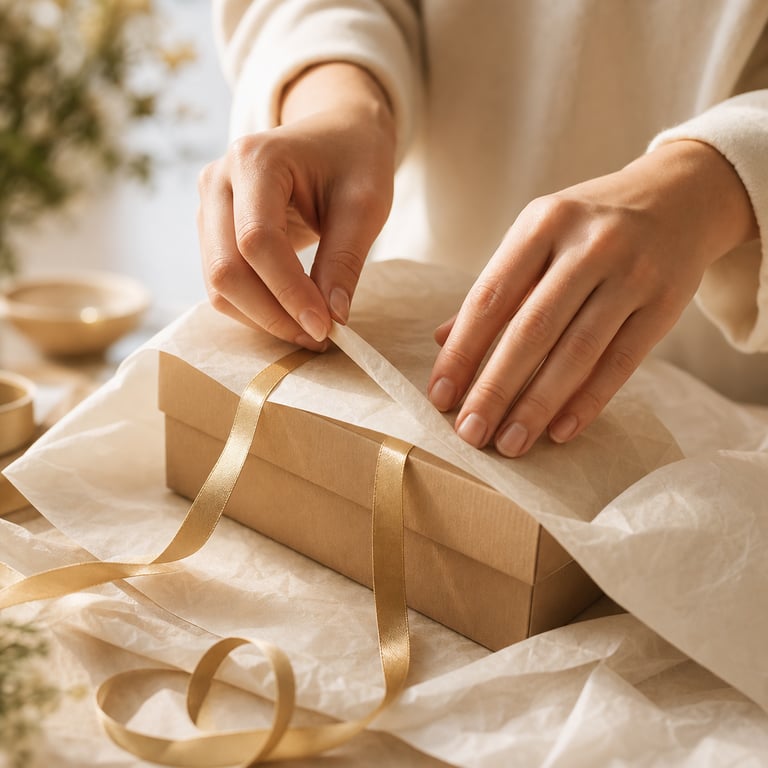
Ochugen isn't a single-day event like a birthday. It's a season — traditionally running from the start of July through mid-July — during which you thank the people who've been good to your business or your family over the first half of the year. Vendors thank retailers. Companies thank long-time clients. Employees sometimes send something to a supervisor. It sits alongside oseibo, its December counterpart, as one of the two structural moments in the Japanese business calendar where gratitude gets made explicit and tangible.
For a US company with a Tokyo partner or a handful of Japan-based clients, this custom matters more than it might seem from the outside. It's not really about the size or cost of the gift. It's about showing that you track the rhythm of the relationship — that you know when to say thank you without being asked. Skipping it doesn't burn any bridges outright, but doing it, even modestly, signals that you're paying attention in a way that a generic quarterly check-in email doesn't.
The Deadline Is Softer Than It Looks
Here's the part that should take some pressure off: July 15 is a customary cutoff, not a hard wall. In practice, plenty of ochugen gifts land through the third week of July, and nobody in Japan is quietly judging a gift that arrives a few days after the "official" date — especially not from an overseas sender who clearly made the effort. If you're sending internationally, from the US, Canada, or the UK, the people receiving your gift already understand that logistics work differently across borders.
What actually matters more than hitting July 15 exactly is not letting the gesture slide into September, when it starts to look less like a delayed ochugen and more like an unrelated, slightly random gift. If you're within a week or two of today, you're fine. If you're going to be later than that, it's worth a short note acknowledging the timing rather than pretending it arrived precisely on schedule — Japanese business culture tends to appreciate the honesty more than the illusion of perfect timing.
When You're This Close to the Wire, Speed Beats Everything Else
This is where most of the traditional advice about ochugen — beautifully wrapped fruit boxes, artisanal condiment sets, the whole aesthetic of department-store gift-giving in Japan — becomes a little beside the point. If you're reading this on the day itself, you don't have time to source and ship a physical gift box from the US and have it clear customs before the season closes. International shipping alone can eat ten to fourteen days, and that's before you've picked anything out.
This is exactly the situation where a lot of companies have shifted toward sending gift cards internationally instead of physical items — not as a downgrade, but as the more honest option when timing is tight. A digital coffee card, a convenience-store voucher, or a food delivery credit lands in someone's inbox or phone in minutes, not weeks. It skips the customs question entirely, and it still does the one thing ochugen is actually for: telling someone, in a tangible way, that you noticed the year so far and you're grateful for it.
If you're new to sending a cross border gift like this, the mechanics are simpler than people expect. You're not shipping anything. You're purchasing a card denominated for use in Japan, and it gets delivered electronically — often instantly — to an email address or phone number. One platform that handles this specifically for Japan-bound digital gifting is SodaGift, which is worth knowing about mainly because it removes the guesswork of figuring out which brands' gift cards are even usable overseas. Not every US-issued card works in Japan, and vice versa — a Starbucks card bought in California, for instance, won't redeem at a Starbucks in Shibuya. Platforms built specifically for cross-border digital gifting solve that mismatch for you.
Choosing Something That Doesn't Feel Like an Afterthought
Even with a same-day digital option, there's a difference between a thoughtful last-minute gift and an obviously last-minute one. A few things make the difference:
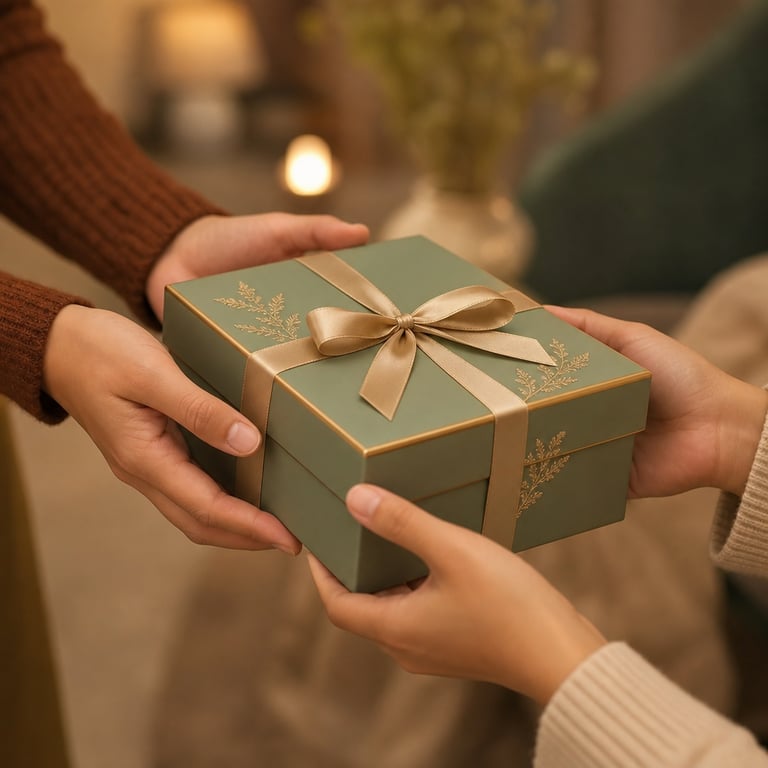
A short, specific note matters more than the gift's dollar value. If you're sending to a business contact, one or two sentences referencing something real from the past six months — a project you closed together, a visit they hosted, help they gave your team — does more work than the gift card amount itself. Ochugen is fundamentally about acknowledgment, and the acknowledgment lives in the words, not the yen amount.
Category matters too. Coffee and everyday convenience gift cards read as considerate rather than corporate-boilerplate, because they slot into someone's actual daily routine instead of sitting as an abstract balance they have to remember to use. Food delivery credits work well for the same reason — they get used within days, not forgotten in a drawer.
And if you're sending to multiple contacts — a whole Tokyo office, a handful of regional distributors — resist the urge to send the identical generic amount to everyone with the same copy-pasted note. Even a small variation in wording per recipient reads as attention rather than automation, and in a culture that notices these details, that distinction actually lands.
Building the System Now, So Next Year Isn't a Scramble
If you're reading this because you almost missed ochugen entirely, the more useful thing to do today isn't just to fix this year — it's to make sure you're not back in the same spot come December, when oseibo season opens the same question again.
The practical fix is boring but effective: put both dates on a shared team calendar now, with a reminder two weeks ahead rather than two days. Two weeks gives you enough runway to actually think about who's on the list and what feels appropriate for each relationship, instead of defaulting to "send everyone the same $30 something" under time pressure.
It's also worth noting that Japan's family-and-gratitude calendar doesn't stop here. Obon, in mid-August, is the next major moment where gift-giving and remembrance intersect in Japanese culture — more personal and family-oriented than ochugen's business focus, but worth knowing about if any of your Japan relationships blur into the personal, which many long-standing partnerships eventually do. You don't need to act on it today. Just knowing it's coming, roughly a month out, is enough to keep you ahead of the calendar instead of chasing it.
If You're Sending Something Today
If today is genuinely the day you're trying to get something out before the window closes, keep it simple: pick a digital gift that's actually usable in Japan, write a note that references something specific and real, and send it now rather than waiting for the "perfect" choice. A modest gift that arrives today does more for a relationship than an elaborate one that arrives in September.
And if this is the first time you've run into ochugen at all, take the deadline pressure as useful information rather than a failure. Now you know the rhythm — July for ochugen, December for oseibo — and next year, you'll be the one sending early, not scrambling on the last day the way you might be right now.