Ochugen 2026: How to Send a Thoughtful Japanese Mid-Year Gift Before July 15
Published on July 2, 2026
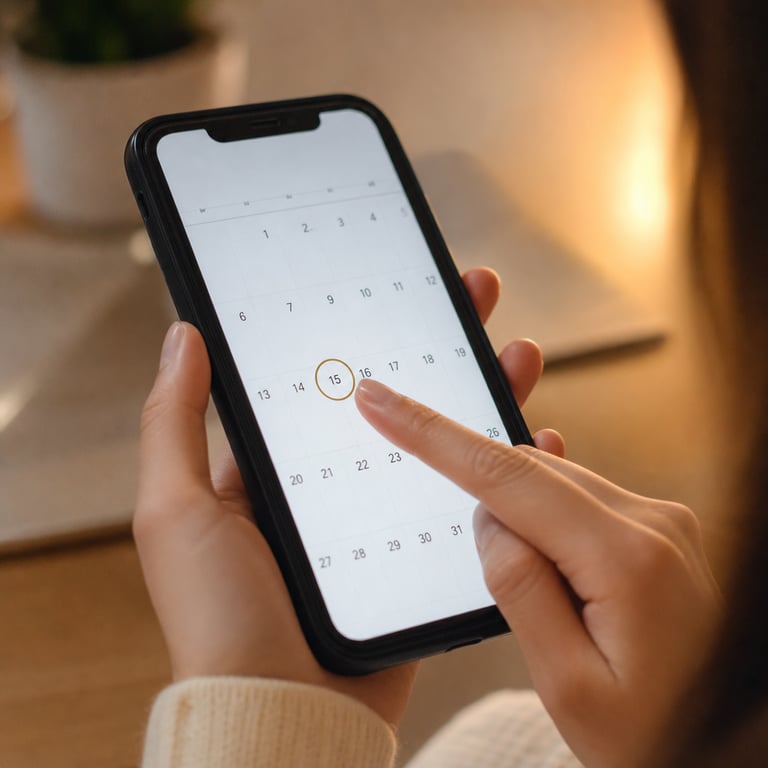
If you've got family, in-laws, or close friends in Japan, you might have noticed something in your group chat this week — a photo of a beautifully wrapped box of somen noodles, or a relative asking, half-joking, "did you already send your ochugen?" That's not random. Japan's mid-year gifting season, ochugen (お中元), runs from July 1 through July 15, and if you're outside Japan trying to participate from abroad, the window is closing faster than it feels.
I found this out the hard way a few years back. My husband's aunt in Osaka mentioned, almost in passing, that she'd already received gifts from three other relatives by July 10. I hadn't even started looking. Ochugen isn't loud about its deadlines the way Christmas or Lunar New Year are — there's no countdown clock plastered everywhere — but missing it socially registers. It's the kind of gift-giving custom where showing up matters more than what you give, and showing up on time matters even more.
So if you're reading this on your lunch break in LA or during a slow moment at your desk in Vancouver, wondering whether you can still pull this off — yes, you can. But you've got about two weeks, and it helps to understand what you're actually doing before you pick something.
What Ochugen Actually Is (and Why Timing Matters More Than the Gift Itself)
Ochugen traces back to a tradition of showing gratitude to people who've helped you over the first half of the year — bosses, business contacts, teachers, but also extended family and close friends. It sits alongside its winter counterpart, oseibo (お歳暮), which happens in December. Together they form a rhythm of reciprocal appreciation that's still very much alive in Japanese households and workplaces, even as younger generations gift a bit more casually than their parents did.
What makes ochugen distinct from a lot of Western gift customs is that the timing window is part of the etiquette. Sending something on July 20 doesn't carry the same weight as sending it by July 15 — it can read as an afterthought, even if the gift itself is nicer. This is different from something like a birthday, where a few days late barely registers. If you're sending from the US, UK, or Canada and your gift depends on international shipping, you're already fighting the clock: even expedited international parcels to Japan can take 5–10 business days once you account for customs processing, and that's assuming nothing gets held up.
This is exactly the situation where a lot of overseas senders quietly give up and just wait for oseibon in December, or skip the gesture entirely. Which is a shame, because ochugen is genuinely one of the easier occasions to participate in from a distance — you just need to work with the actual constraints instead of against them.
Why Physical Shipping Is the Wrong Tool for This Particular Deadline
I want to be honest about something: I love sending physical gifts when there's time. A box of good coffee or a seasonal fruit set feels more substantial than a digital anything, and for a lot of occasions, that extra weight is worth the wait. Ochugen in mid-July, with under two weeks left, is not one of those occasions — at least not if you're starting today.
Here's the math that usually trips people up. Even if you order today from a US retailer that ships internationally, you're looking at: 1–2 days for the retailer to process and ship, 5–7 days in transit, plus whatever Japan customs decides to do with it (electronics and food items sometimes get flagged for extra review). That puts you at July 10–14 in the best case, with zero buffer if anything goes wrong — a wrong address, a missed delivery attempt, an item stuck at a regional depot. And July is also typhoon season on parts of Japan's coast, which occasionally slows regional delivery networks further.
None of this means physical gifts are off the table forever. It means that for this specific window, digital gifting options — instant e-gift cards, especially — solve a problem that shipping physically can't: they arrive the same day you send them, regardless of where you are or where your recipient lives in Japan. Your aunt in Osaka gets the notification while she's still deciding what to make for dinner. There's no tracking number to obsess over, no customs form to fill out, no risk of the box sitting in a delivery locker until August.
Choosing a Gift That Actually Fits the Occasion
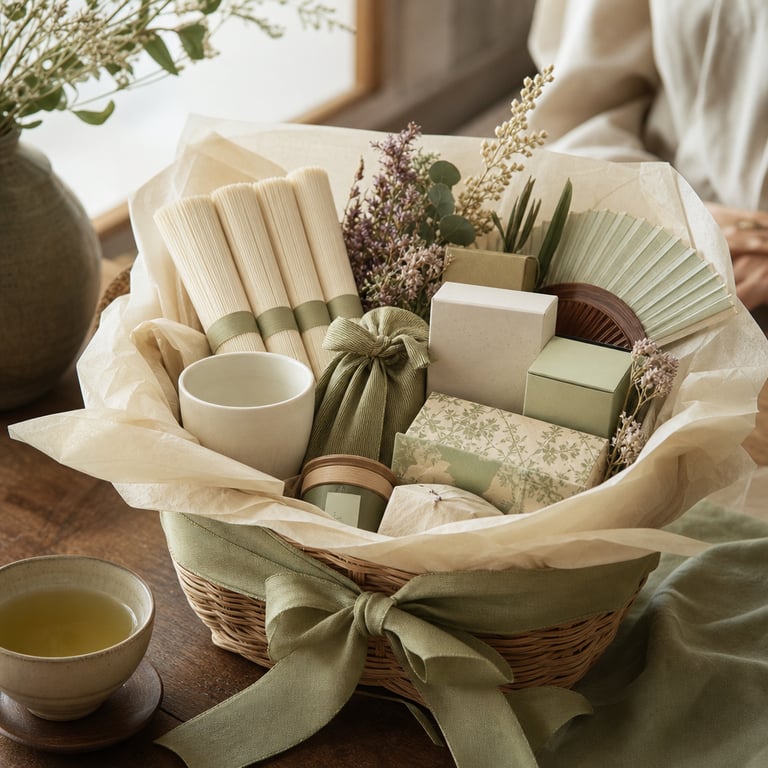
The tricky part with ochugen isn't just timing — it's picking something that reads as appropriate rather than random. Japanese gift-giving culture leans toward the practical and the consumable: things people will actually use in daily life, rather than decorative or overly personal items. This is part of why traditional ochugen gifts have historically been things like premium oils, beer, or seasonal fruit — useful, shareable, not too intimate.
If you're sending a digital gift card instead of a physical item, the same logic applies. A gift card to a well-known coffee chain in Japan works well because coffee breaks are woven into daily routines there — it's a gift that gets used within days, not left in a drawer. A card for a major Japanese e-commerce platform gives your recipient the freedom to pick something themselves, which is especially useful if you're not confident about their exact tastes or if it's been a while since you've seen them in person. Convenience store gift cards, while they might sound modest to an American sender, are genuinely well-regarded in Japan — convenience stores there function almost like mini department stores, covering everything from meals to daily essentials.
What you want to avoid is anything that reads as too casual or too personal for the relationship. Ochugen gifts to an aunt, a former teacher, or a business contact carry a slightly more formal register than, say, a birthday gift to a close friend. When in doubt, err toward something universally useful rather than something that reflects a specific hobby or taste you're guessing at.
One more detail worth knowing: amount matters less than gesture here. Japanese gift-giving etiquette generally frowns on anything that looks like it's trying to impress rather than express gratitude. A modest, well-chosen gift sent on time will land better than an expensive one that shows up on July 22.
If You're Sending to Multiple People, Build in a Buffer
If your ochugen list includes more than one person — say, your mother-in-law and her sister, or a couple of family friends who've helped your parents over the years — resist the urge to handle it all in one marathon session on July 14. Not because anything will technically break, but because rushed gifting tends to produce forgettable gifts: the generic option you grab because you're out of time, rather than the one that actually fits the person.
Give yourself at least a couple of days between deciding and sending, even if the actual delivery is instant. This gives you room to double check spellings of names, confirm the right contact method for each recipient (some people prefer email, others check messaging apps more often), and reconsider if something feels off. Ochugen is forgiving on a lot of fronts, but it's not the season to send the exact same gift to five different people just because it was the first thing you found.
If you're coordinating with siblings or a spouse on a joint gift — which is common for ochugen sent to in-laws — settle on who's actually sending it a few days ahead rather than the morning of the 15th. Duplicate gifts happen more often than you'd think when everyone assumes someone else has it handled.
Getting This Done Before the Window Closes
With July 15 about thirteen days out as I write this, you've still got a real window to get ochugen right — but it shrinks a little more with every day you wait to decide. If a physical gift feels essential for someone on your list, today is realistically the last day to order it and hope for the best. For everyone else, a well-chosen digital gift card, sent with a short personal note about why you're grateful for them, does the job the occasion actually calls for: showing up, on time, with something they'll genuinely use.
Services built specifically for cross-border digital gifting — one example is SodaGift — exist precisely because this timing problem is so common among people living outside Japan. Whatever route you take, the main thing is not to let the calendar quietly slip past you the way it did for me that first year. Pick something today, send it this week, and let July 15 pass with your ochugen already delivered instead of still sitting in your cart.