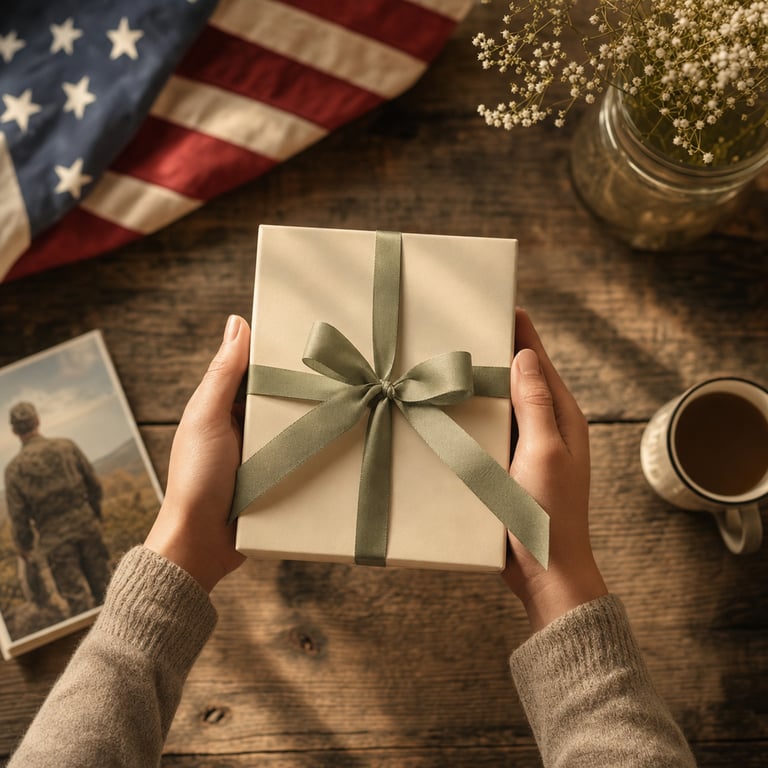
This Memorial Day, Send a Gift That Arrives Before the Day Is Over
Published on May 25, 2026
Memorial Day carries weight that most holidays don't. It began as a day to honor the Americans who died in military service — a solemn, deliberate act of national remembrance. Flags are lowered to half-staff. There are ceremonies at cemeteries across the country. People pause, even briefly, to acknowledge a debt that can't really be repaid.
But if you're reading this from outside the United States — from Tokyo, Manila, Toronto, or somewhere else entirely — Memorial Day also marks something a little different: the first long weekend of American summer. The people you love in the US are off work today. They might be at a cookout, at the lake, or just finally sleeping in. And you're an ocean or a continent away, wishing you could be there.
Distance has a way of making itself felt on days exactly like this one. Not the crushing kind — more the quiet kind. You're scrolling your phone and you realize it's already late afternoon where they are, and you haven't said anything yet. You want to reach out with something more than a text. But you're abroad, your US credit card situation is complicated, and international shipping to an American address takes anywhere from a week to never. So you do nothing, and the moment passes.
It doesn't have to go that way. Here's a practical look at how to send a gift overseas — one that lands today — to someone in the United States when you're sending from abroad.
Why Digital Gift Cards Actually Work for This
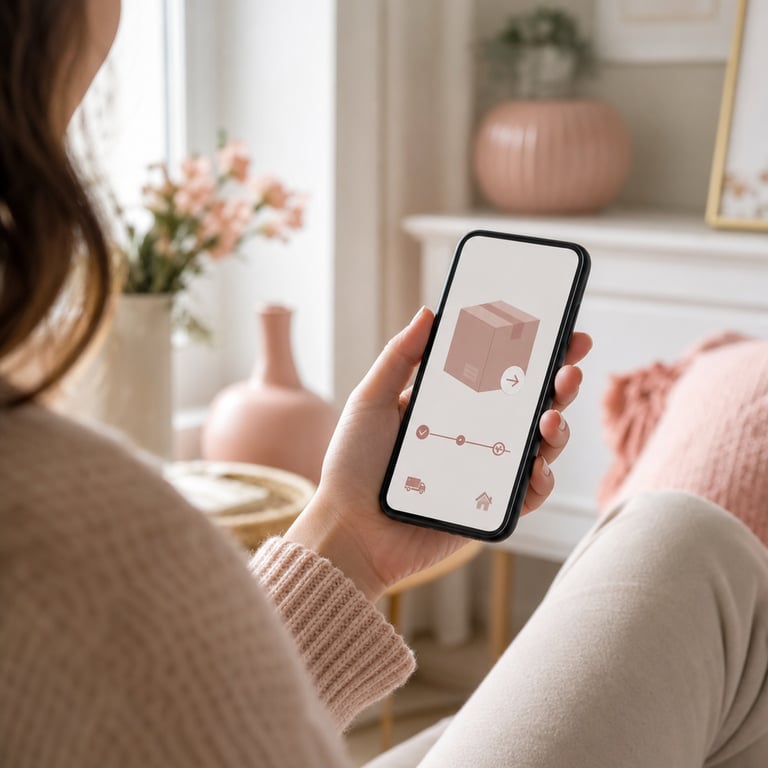
Let's skip past the part where you consider ordering something from Amazon and shipping it to their address. That works sometimes, but it requires a US billing address, a payment method that clears across borders, and usually three to seven business days you don't have today.
Digital gift cards solve a specific problem: they're delivered by email or SMS, they're redeemable immediately, and they don't care what country the sender is in. You can be in the Philippines, Japan, or Canada, and the person in Los Angeles gets the card within minutes of you completing the purchase.
The limitation people run into is that most US retailers only sell their gift cards to US-based buyers. That's where cross-border gifting platforms come in. One such service — SodaGift — lets you purchase US-destination gift cards from anywhere without needing a US address or a domestic payment method. The recipient gets a standard digital gift card from Starbucks, Sephora, Macy's, Amazon, or several others, and they never need to know the logistics involved.
It's not glamorous. But it works, and it works today.
What to Send: Matching the Gift to the Person
The gift you choose matters more than the mechanism. Here's how to think about it by the person you're sending to.
For the friend you just want to check in on
A Starbucks gift card in the $10–$30 range is genuinely useful and carries no obligation. It's not trying too hard. Your friend can use it tomorrow morning on their commute back from the long weekend, and they'll think of you. It's a low-stakes way of saying "I remembered you today" without making it weird.
For a family member you miss more than usual
Memorial Day has a way of bringing up family feelings — the ones about distance and time and how quickly summers pass. If you're in Japan or the Philippines and your sister or cousin is in New York, a Sephora or Macy's gift card in the $75–$200 range says something different. It says: I want you to treat yourself to something. It's the closest thing to handing someone money with intention attached. Both are available as digital cards for US recipients, and neither requires the recipient to have any particular setup — just a smartphone and an inbox.
For the tech person in your life
An Apple gift card ($25) is useful to almost anyone in the Apple ecosystem, which, let's be honest, covers most Americans under 40. They can apply it to apps, music, a streaming subscription, or save it toward something bigger. It's a small gift that fits into someone's actual life without creating any friction. If the person you're sending to is more of a dedicated gamer, a Razer Gold card ($50) works for PC gaming purchases and feels personal if you know that's their world.
For someone who'd rather just eat well today
A Memorial Day cookout is the standard, but not everyone is hosting one. An Uber Eats gift card ($20) is the one that says: order whatever you want tonight, my treat. It's practical in a way that feels generous rather than lazy. For a family in a US city, this covers dinner on a holiday evening without anyone needing to cook.
The Part People Forget: How to Actually Send It
Here's where things used to fall apart. You'd find the right gift, get to checkout, and hit a wall — a US-only billing address field, or a payment processor that didn't accept your card. You'd either give up or cobble together some workaround involving a family member's PayPal, which always ends in at least one confused phone call.
Cross-border gift platforms are designed specifically for this gap. The sender pays in their local currency or with an internationally accepted card, selects the recipient's country (in this case, the US), and the digital card is delivered directly to the recipient's email or phone number. The recipient doesn't need to do anything special. They get a standard gift card link, and it works at checkout just like one they bought themselves.
The key things to check when you're using any platform like this:
- Delivery speed: It should say "instant" or within a few minutes. For a same-day send, don't accept anything that says "up to 24 hours."
- No US address required on your end: The sender's address is yours, wherever you are. Only the recipient's contact info (usually just email or phone) is needed.
- Supported payment methods: Make sure your card type is accepted. Most platforms support Visa and Mastercard internationally, and some support local payment methods too.
For diaspora communities — Filipino-American, Korean-American, Chinese-American, and others — this approach is already familiar. Cross-border digital transfers have been standard practice for years. The product has changed; the instinct to send something meaningful across an ocean hasn't.
Sending It Well, Not Just Sending It
One thing worth saying: the note matters. A digital gift card without any accompanying message is just a code. With a short voice memo, a paragraph in the email body, or even a WhatsApp message right after you send it, it becomes a moment.
You don't need to write something long. Something like: "Thinking of you today. I know I can't be there, but I hope you have something good to eat and some time to relax. Miss you." That's enough. The gift is the occasion; the message is the actual connection.
Memorial Day, for all its solemnity, is also one of those American days when people slow down enough to notice who reaches out. Being abroad doesn't disqualify you from being one of those people. A digital gift card delivered this afternoon, with a few honest lines attached, lands differently than a text alone.
If You're Reading This Late in the Day
It's a holiday. Time zones are working against you. Maybe it's already evening in the US by the time you're seeing this.
Send it anyway. A Starbucks card for their Tuesday morning coffee. An Uber Eats credit for whatever they order later this week. The gesture doesn't expire with the holiday itself — the message attached to it does the heavier work, and that message can say "I was thinking about you on Memorial Day" on any day of the week.
Today, there are enough tools available that "I couldn't figure out how to send a gift overseas from abroad" is no longer a satisfying reason to let the moment pass. Pick something that fits the person. Write two sentences. Send it today.
They'll feel it.