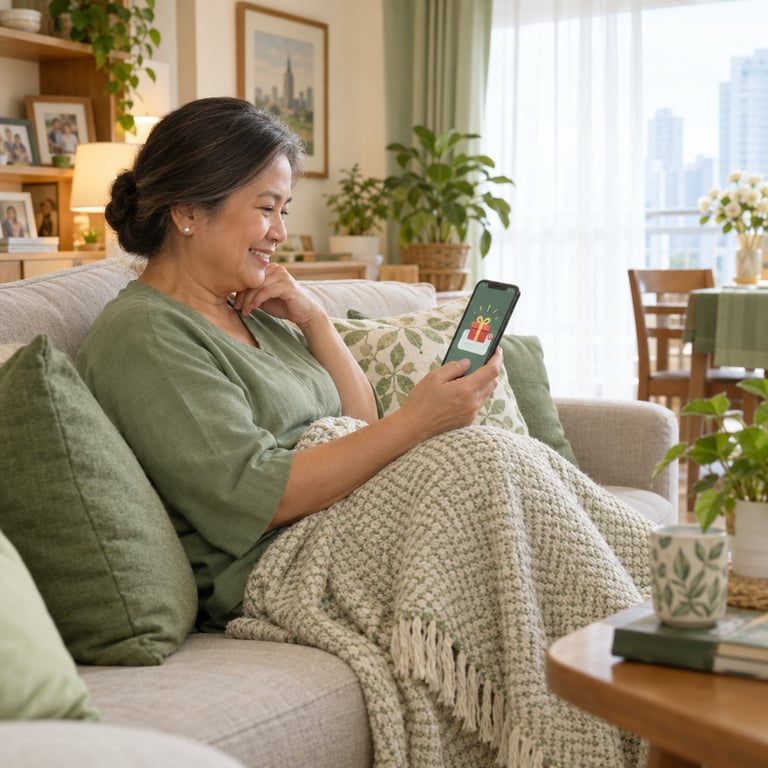
How to Send a GrabFood Gift Card to Family in the Philippines From the US
Published on October 15, 2026
It's 9 p.m. in New Jersey, which makes it 9 a.m. tomorrow in Quezon City. Your mom just texted that she's been under the weather for two days and hasn't really eaten. You could send money, but money doesn't make lunch appear. You could call a cousin to drop something off, but that's one more favor, and you're already running a tally in your head.
This is the situation where a food delivery gift card beats almost everything else. It isn't a gift for a holiday. It's a way to take care of someone on a Tuesday, from 8,000 miles away, without asking anyone to do you a favor.
This guide covers how to send a GrabFood Philippines gift card from the US, what to expect, and where people tend to go wrong. As of October 2026, it's one of the more practical ways to put a hot meal on your family's table without leaving your couch.
Why a meal beats a money transfer
Remittance is how most of us have always sent help home, and it still has its place for rent, tuition and bills. But cash has a quiet problem: it disappears into everything else. Your sister gets ₱2,000 and it goes toward electricity, and the "treat" you meant to send never happens.
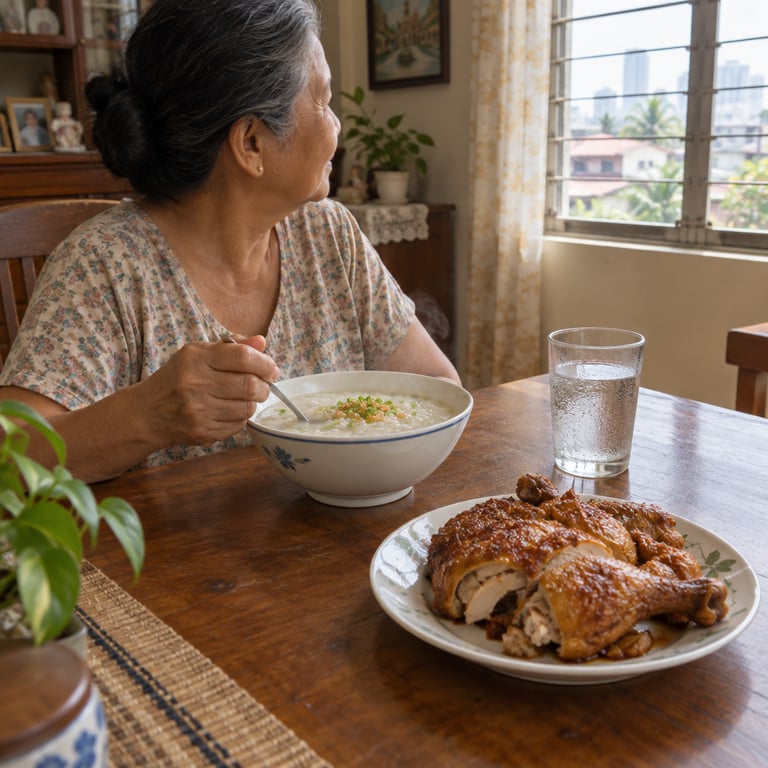
A GrabFood card is earmarked for food. Whoever receives it knows what it's for, so there's no guilt about spending it and no need to ration it. For parents and grandparents who tend to put everyone else first, this matters more than you'd think. A lola who won't spend ₱500 on herself will happily use a card that was clearly meant for her dinner.
There's also the matter of effort. Delivery means nobody has to cook, shop or go out in the heat or rain. If the person you're sending to is elderly, sick, recovering from surgery, or just a new parent running on no sleep, that's the real gift.
You may have seen our earlier posts on Jollibee cards and on GCash versus gift cards. Those solve different problems. Jollibee is one brand, one menu, one craving. GCash is flexible but works like cash. GrabFood sits in the middle: it's a choice of restaurants, so your family orders what they actually want, and it's tied to food.
What you're actually sending
GrabFood Philippines gift cards are digital. Nothing ships and nothing is held at customs, so there are no delivery fees to worry about on your end. The card is delivered electronically, and your family redeems it through the Grab app.
The GrabFood Philippines card is available in ₱500 and ₱1,000 denominations. There's also a separate GrabGifts card at the same two amounts, which is broader than food. If your only goal is meals, the GrabFood card is the cleaner choice. If your family also uses Grab for rides, GrabGifts gives them more flexibility.
On the payment side, you pay in US dollars at checkout, and the price is shown in dollars, so there's nothing to convert in your head. The ₱ amount is simply the value your family receives in the Grab app.
How much should you send?
This depends on who's receiving and what you want it to do. I'd think about it in terms of occasions rather than numbers:
- A single comfort meal for one person (someone sick, someone far from their usual food): the ₱500 card is plenty for a solo order with some room left over.
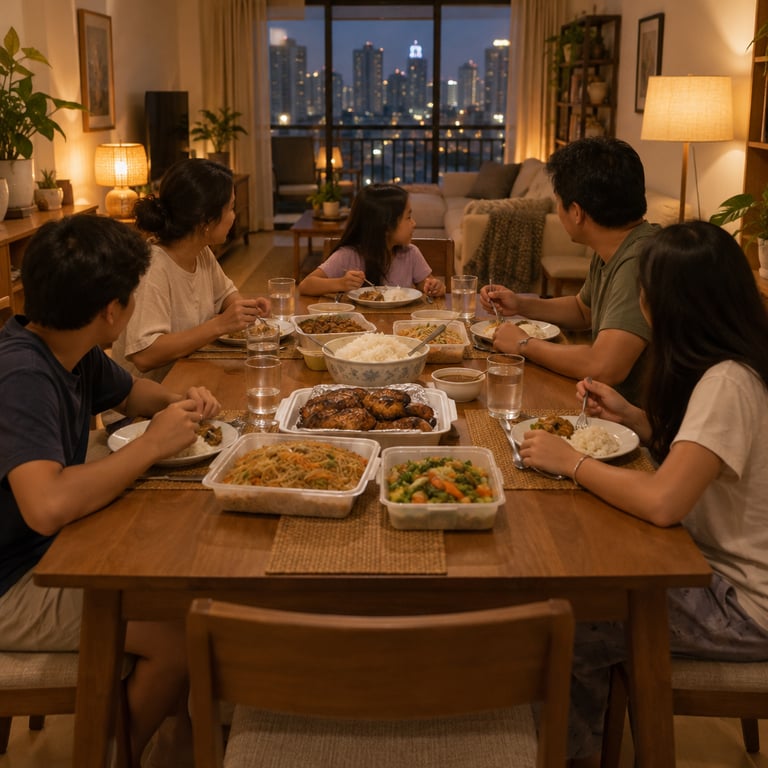
- A family dinner (parents plus a sibling or two, or a lola with grandchildren in the house): the ₱1,000 card gives a household a proper dinner without anyone watching the total.
- A recurring gesture: two ₱500 cards sent weeks apart often feel more caring than one big one. Your mom hears from you twice, and each one lands as its own small surprise.
Delivery prices in the Philippines vary a lot by area, restaurant and time of day. Fees and minimum orders also change, so I won't pretend a card covers a specific number of meals. A reasonable guess is that a ₱500 card covers one decent meal for a couple of people, and a ₱1,000 card covers a family dinner. Your relatives know their local prices better than you do, so ask.
Before you buy: two quick checks
This part takes five minutes and saves most of the problems I've seen.
1. Make sure Grab delivers where they live. GrabFood is strong in Metro Manila and other big cities like Cebu and Davao, but coverage thins out in smaller towns and provinces. Ask your family to open the Grab app and see whether restaurants show up for their address. If the list is empty or tiny, a GrabFood card isn't the right pick. A GCash card or an SM Gift Pass may suit them better.
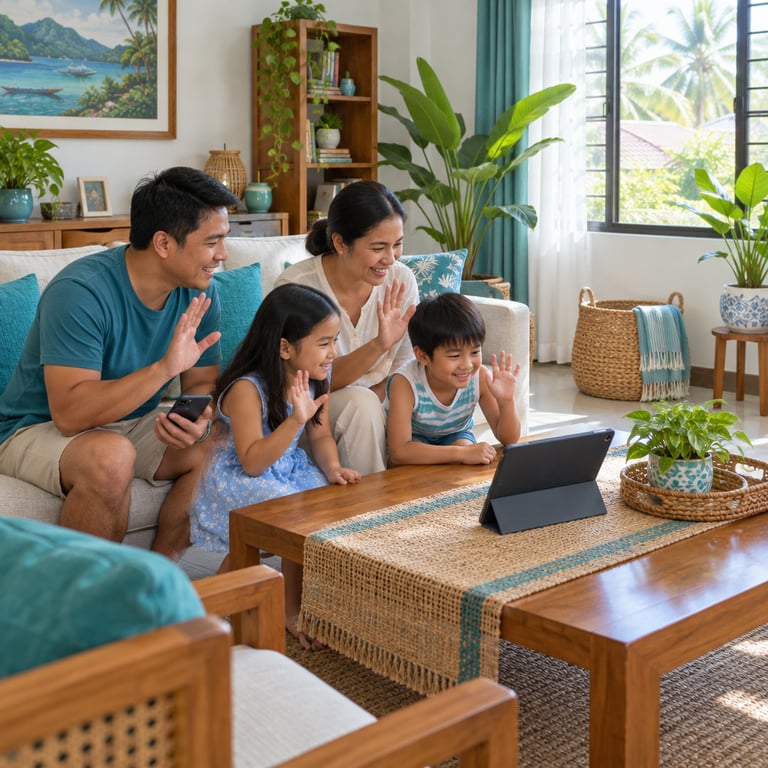
2. Confirm they already use Grab. If they have the app, great. If they don't, they'll need to install it and create an account, and that's the step where an older relative can get stuck. Offer to stay on a video call and walk them through it once. After that, it's easy.
It's also worth asking what they'd actually order. You might be surprised. Plenty of families skip fast food entirely and use delivery for lugaw, lechon manok or a favorite carinderia that's on the app. The card works with whatever's on the platform near them.
How to send it, step by step

The process is short. Roughly:
- Pick the GrabFood Philippines card and choose ₱500 or ₱1,000.
- Enter your recipient's details and add a personal message. I'd write something short and specific, like "Eat something good tonight, Ma. Order whatever you want."
- Pay by card or PayPal. The total shows up in dollars.
- The gift is delivered digitally to your recipient, and they redeem it in the Grab app by following the instructions that come with the card.
A short note makes more difference than you'd think. A gift card with no context can feel like a transaction. A message that sounds like you makes it feel like you thought of them while they were eating alone.
Timing is worth thinking about too. The Philippines is 12 to 15 hours ahead of the US depending on your coast, as of October. If you want the gift to arrive just before lunch or dinner there, send it from your evening or early morning. When you're covering time zones from far away, a gift that arrives as a hungry person is looking at their phone feels almost like you're in the room.
Mistakes to avoid
Sending it without warning. A digital gift arriving unannounced can be mistaken for spam, especially by relatives who've been burned by scam messages. Text or call first: "I'm sending you something for dinner, look out for it."
Assuming the card works everywhere. A GrabFood card is for GrabFood. If your family mostly shops at SM supermarkets or pays through GCash, it won't be useful to them. Match the card to how they actually spend.
Waiting too long to check in. Once it's redeemed, ask what they ordered. It's a good excuse for a call, and it tells you whether the card was useful. If they say the fees were annoying or the restaurants were limited, you'll know to try a different card next time.
Forgetting that they might not tell you if it didn't work. Many parents and grandparents don't want to admit they couldn't figure out an app. Ask directly, kindly, and offer to help.
When another option fits better
GrabFood isn't the answer for everyone, and it's worth being honest about that.
If your family lives somewhere Grab doesn't reach, or they simply prefer one fast food brand, a Jollibee card is simpler. If they pay bills and buy everything through their phone, a GCash card gives them more freedom. If the goal is groceries and household items, an SM Gift Pass covers a department store and supermarket in one. The right card depends on your family's habits, not on which one sounds best.
What I'd suggest is thinking of GrabFood as the "take care of someone tonight" card. It's good for when you can't be there but want to be useful. It works best for specific moments: a sick parent, a new baby, a long week, or a birthday where you missed the party.
Next step: a small test
If you've never sent a gift home this way, start small. Pick one person, one card, and one specific moment this month. Text them first, send a ₱500 card with a short message, and ask afterward how it went.
If it works, you've found a new way to look after your family that doesn't depend on flights, shipping or favors. One cross-border gift service that offers GrabFood Philippines cards is SodaGift, though the main thing is knowing the option exists and matching it to the person you're sending it to.
Distance makes it hard to show up. A hot meal at the right moment is a small way to do it anyway.