Children's Day 2026: How Asia Celebrates Kids
May 5th carries a particular weight when you're living far from home.
Maybe you're in Los Angeles thinking about your nieces and nephews back in Seoul. Maybe you're in Toronto watching your own kids grow up speaking English while your parents in Manila wish they could squeeze them in person. Or maybe you're an expat in London trying to explain to your British friends why half of Asia has a holiday today dedicated entirely to children — and why it matters so much.
For those trying to send gift cards internationally to family in Seoul or Tokyo, the timing adds its own kind of pressure: the holiday is happening *right now*, and the window to do something about it is narrow.
Children's Day isn't just one thing. Across Japan, Korea, and the Philippines, it carries different histories, different rituals, and different emotional weight. But the feeling underneath all three versions is the same: the people you love most are growing up, and you want to mark that somehow — whether you're in the same room or ten time zones away.
Here's what's actually behind each celebration, and what it might mean if you're trying to stay connected across borders.
Japan: Koinobori, Samurai Helmets, and 1,300 Years of History
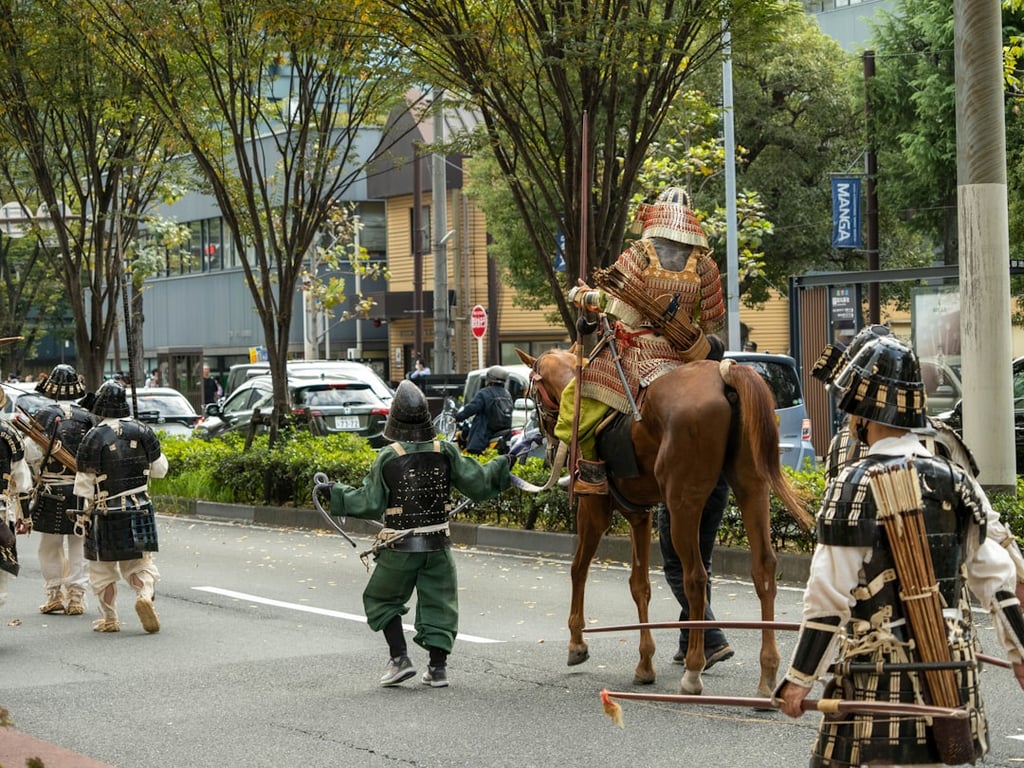
Japan's Children's Day — *Kodomo no Hi* — falls today, May 5th, and it caps off Golden Week, that stretch of public holidays that shuts down offices and fills bullet trains for a week. But the roots of this day go back to 7th and 8th century Japan, when the imperial court absorbed China's *Duanwu* festival (the Dragon Boat Festival, observed on the fifth day of the fifth lunar month) and turned it into *Tango no Sekku*, a ceremony meant to ward off evil spirits and illness.
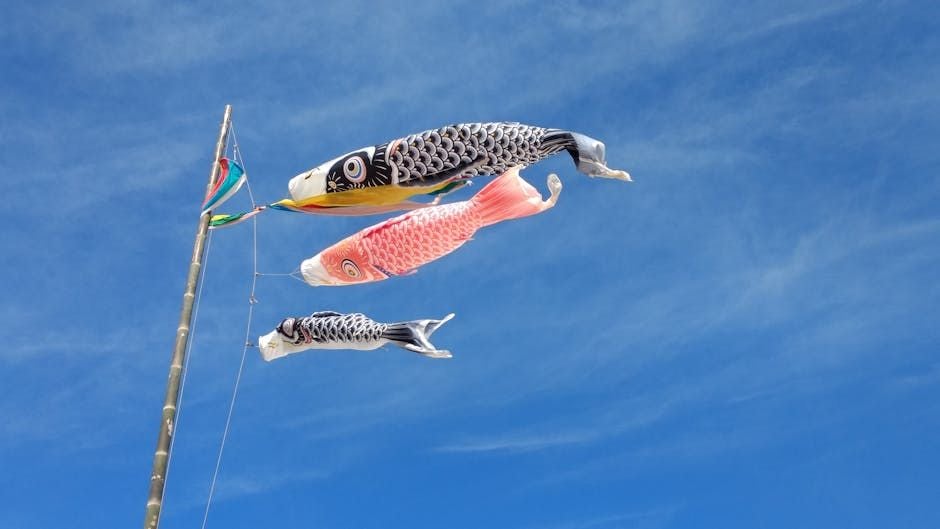
For most of Japanese history, this was a celebration specifically for boys — a day to pray for strength, health, and courage. Two symbols defined it. The first is *koinobori*: long, colorful carp-shaped streamers flown from poles outside homes, often one for each child in the family. The carp was chosen because it swims upstream against strong currents — an obvious metaphor for raising a child who can handle whatever life throws at them. The second symbol is *kabuto*, the samurai helmet displayed inside the home, representing protection and valor.
Then in 1948, the newly formed Japanese government did something interesting. They officially renamed the holiday *Kodomo no Hi* and expanded its purpose: it was no longer just for boys. The law stated the day was meant to "respect the individuality of children, work toward their happiness, and thank mothers." That last part — *thank mothers* — is tucked quietly into the official legal definition, which surprises most people who didn't grow up in Japan.
Traditional observances today include *shōbuyu*, a bath drawn with iris leaves (historically believed to repel illness) and *kashiwa mochi*, a sticky rice cake wrapped in oak leaves. The oak tree doesn't shed its old leaves until new ones grow in — a symbol of family continuity that grandparents in Osaka would explain to you in patient detail if you asked.
If you have family in Japan right now, they're probably somewhere between a packed family lunch and a quiet moment watching *koinobori* catch the wind. That image — fabric fish swimming through spring air — is one of the most distinctly Japanese things you can picture.
Korea: A Day That Almost Overlaps With Parents' Day
Korea's *Eorininal* (어린이날) also falls on May 5th, which means this week is genuinely busy on the Korean family calendar: Children's Day today, and Parents' Day on May 8th. Three days apart. Korean families often joke that you need two separate budgets for the same week.
The Korean Children's Day has a more explicitly political origin than Japan's. It was established in 1923 by Bang Jeong-hwan, a writer and children's rights activist who believed Korean children deserved joy, dignity, and education at a time when the country was under Japanese colonial rule. He coined the term *어린이* (eorin-i), a respectful form of address for children — essentially arguing through language that children weren't lesser beings but people worthy of respect. The first Children's Day celebration was a small act of cultural and national resistance as much as it was a celebration.
Today the holiday is a national public holiday, and it tends to look like: amusement parks packed to capacity, families driving to the countryside, grandparents spoiling grandchildren with gifts, and toy stores reporting one of their biggest retail weeks of the year. Popular gifts are a mix of practical and fun — toys, books, experiences, and increasingly, digital gift options for kids who already have strong opinions about what they want.
For Koreans abroad, this day often lands with a particular ache. Your parents are back in Seoul with your children's cousins, and you're calculating whether it's too late to send something. The time difference makes it worse — by the time you think of it in LA, it's already evening in Korea.
The Philippines: A Different Calendar, the Same Impulse
The Philippines marks Children's Day on a different calendar entirely. The country celebrates National Children's Month in November, with a dedicated National Children's Day typically marked on the last Sunday of July. So while Japan and Korea are marking the occasion today, Filipino families aren't observing a national holiday — but the impulse to celebrate the children in their lives is no less present.
If you're a Filipino living abroad — in the US, Canada, the Middle East, or Hong Kong — the feeling behind this post probably resonates regardless of the date. The question of how to send a gift overseas to the kids back home, or to a niece in Cebu you haven't seen in two years, doesn't wait for a specific holiday to feel urgent.
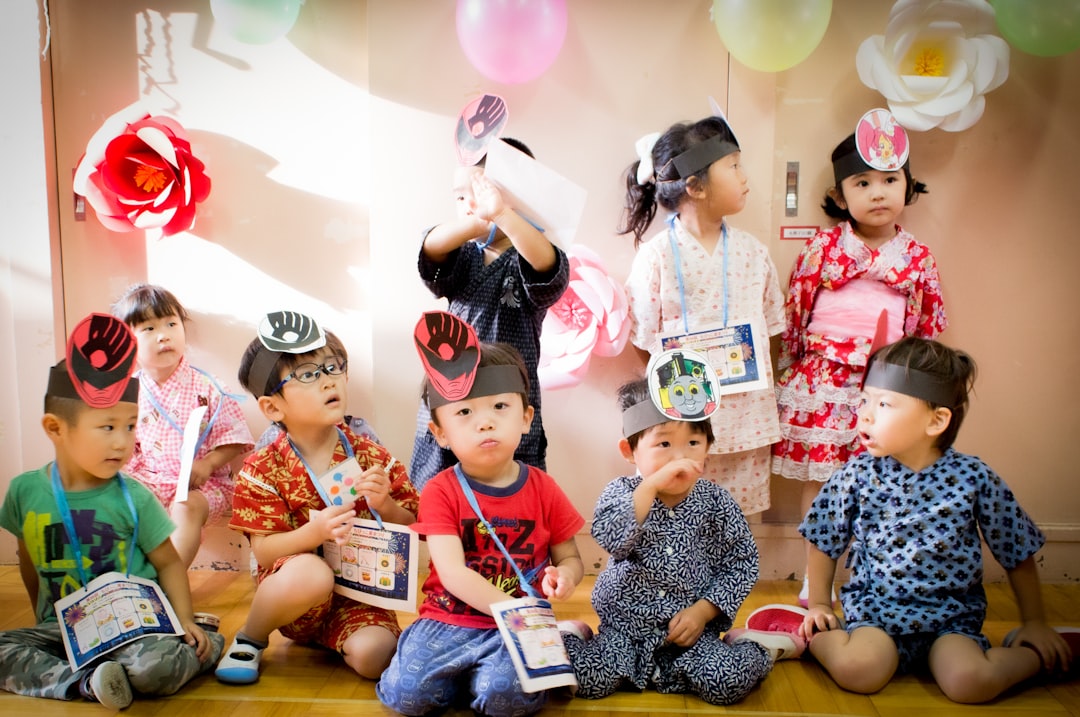
The Philippine government frames children's observances through the lens of child welfare and rights, drawing from the Convention on the Rights of the Child, which the country ratified in 1990. The feel of Filipino children's celebrations is more communal than the Japanese or Korean versions — school pageants, barangay gatherings, storytelling sessions in local dialects, and feeding programs for underprivileged children are all part of how communities mark it.
For Filipinos abroad, the distance from these community celebrations is one of the harder parts of OFW life. You can send money home reliably through GCash and other channels, but sending a sense of occasion is harder to package. What many families do is combine something practical with something more personal: a voice message, a video call timed to a meal, a small digital treat that arrives the same day. The calendar date is almost secondary to the feeling you're trying to create.
What Distance Actually Feels Like on a Day Like This
Here's the thing nobody puts in a travel brochure: being an expat on a children's holiday is its own specific experience. You're happy for your kids here. You're also aware that a niece is turning seven in Busan and you missed the party. Your mom sent you a photo of your nephew in his best outfit for a school celebration in Cebu.
International shipping takes weeks. Customs is unpredictable. And even when a package arrives, it often comes late, damaged, or with a customs fee that feels like a hassle you're passing on to the people you love.
That's part of why sending a gift card internationally has quietly become the default for a lot of diaspora families — not because it's lazy, but because it works. A digital gift arrives quickly. Your sister in Seoul can use it for dinner that night. Your nephew in Manila gets something he actually wanted. The gap between *wanting to do something* and *actually doing it* shrinks considerably.
When you need to send a gift overseas without the customs delays and unpredictability of physical shipping, SodaGift was built specifically for these cross-border moments. Gift cards are redeemable at local merchants in Korea, Japan, and the Philippines — no currency conversion friction, no customs, no waiting on international logistics. For a lot of families in 2026, it's become the actual plan rather than a fallback.
The Thread Running Through All of It
What strikes me, looking at all three versions of Children's Day, is how each one grew out of a particular cultural anxiety.
Japan's *Tango no Sekku* was originally about warding off illness in a world where child mortality was high. Korea's *Eorininal* was born from a desire to protect children's dignity and cultural identity under occupation. The Philippines' approach is rooted in rights and communal care in a country where inequality means not every child starts from the same place.
None of these is just a holiday for buying toys. Each one is, at its core, a society saying: *these children matter, and we're going to stop and acknowledge that*.
For those of us raising kids far from where we grew up, or trying to stay connected with the children back home, that message travels well across borders. You don't need to be in Tokyo to appreciate *koinobori*. You don't need to be in Seoul to feel the pull of *Eorininal*. You just need to reach out — today, while it's still today.
If you've been thinking about sending something to a child you love on the other side of the world, this is a good moment. Whether it's a digital gift card they can use tonight or a message that arrives before bedtime in Seoul — the people on the other end will know you were thinking of them.